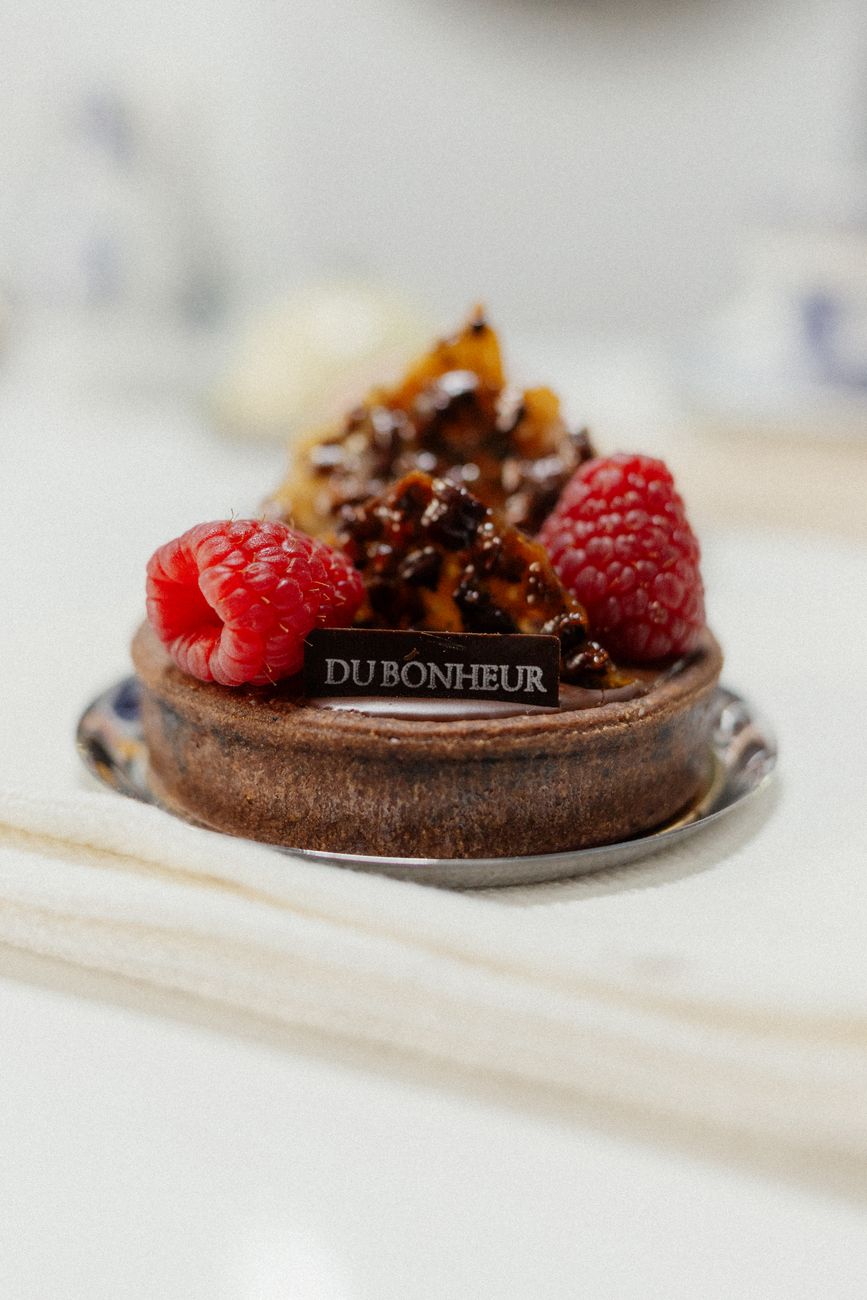
Every pastry in a Parisian vitrine tells a story. Behind the glossy chocolate glaze of an éclair, the delicate meringue of a vacherin, and the coffee-soaked layers of an Opéra cake lies centuries of royal courts, Belle Époque salons, and culinary rivalry.
From simple cakes to elaborate creations, French cakes, or Les gâteaux français, are beloved across France and celebrated around the world. Some can be whipped up at home with very little fuss, while others truly warrant a trip to your local French Pâtisseries.
In the US, we are familiar with rich, dense sheet cakes such as Black Forest Cake, Carrot Cake, German Chocolate Cake, Cheesecake, and Red Velvet Cake with sweet frostings like cream cheese or buttercream. French cakes, in contrast, are noticeably lighter and less sweet; instead of heavy frostings, they rely on delicate layers, airy sponges, and silky fillings like crème pâtissière and dark chocolate ganache.
This list brings together both everyday café favorites and iconic French pâtisseries from the coffee-soaked Opéra to the classic Éclair and crisp Vacherin, complete with a little clin d’œil to the fascinating history behind each creation.
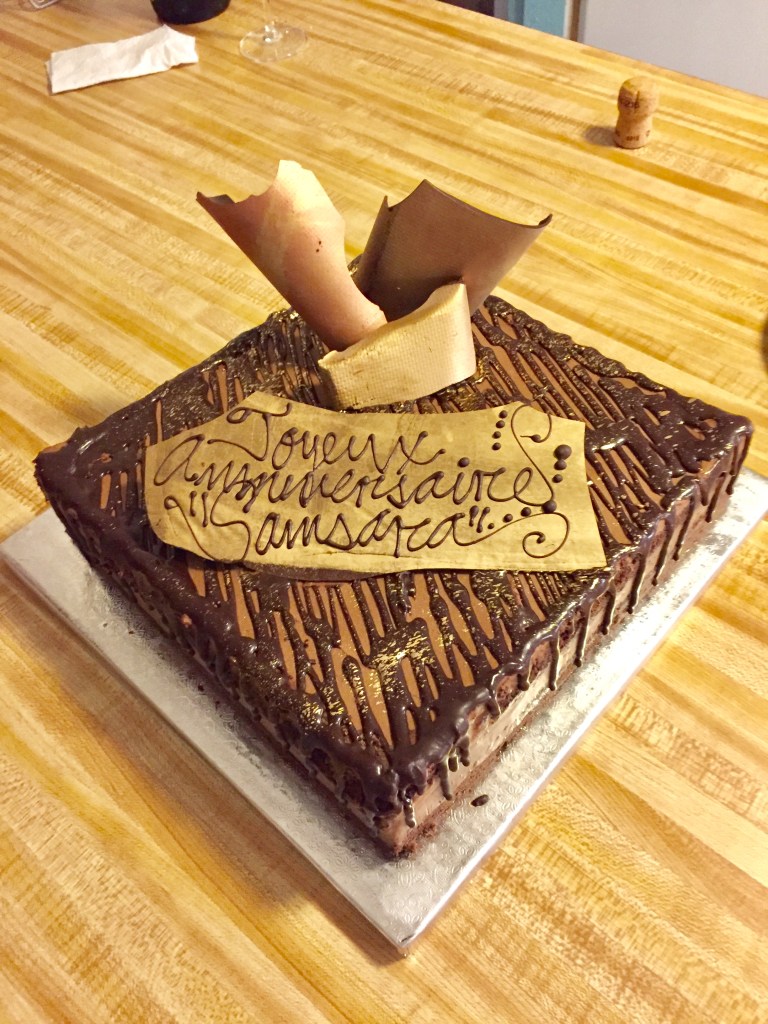
L’Opéra (Opera Cake): A fancy layered cake of almond sponge cake – aka Joconde in French, soaked in coffee syrup, layered with ganache and coffee or Grand Marnier, French buttercream, and covered in a chocolate glaze. The French pâtisserie house Dalloyau popularized the cake, but its origin is unclear. Cyriaque Gavillon claimed he created the cake there in 1955 and that his wife Andrée Gavillon named it after the Opéra Garnier.
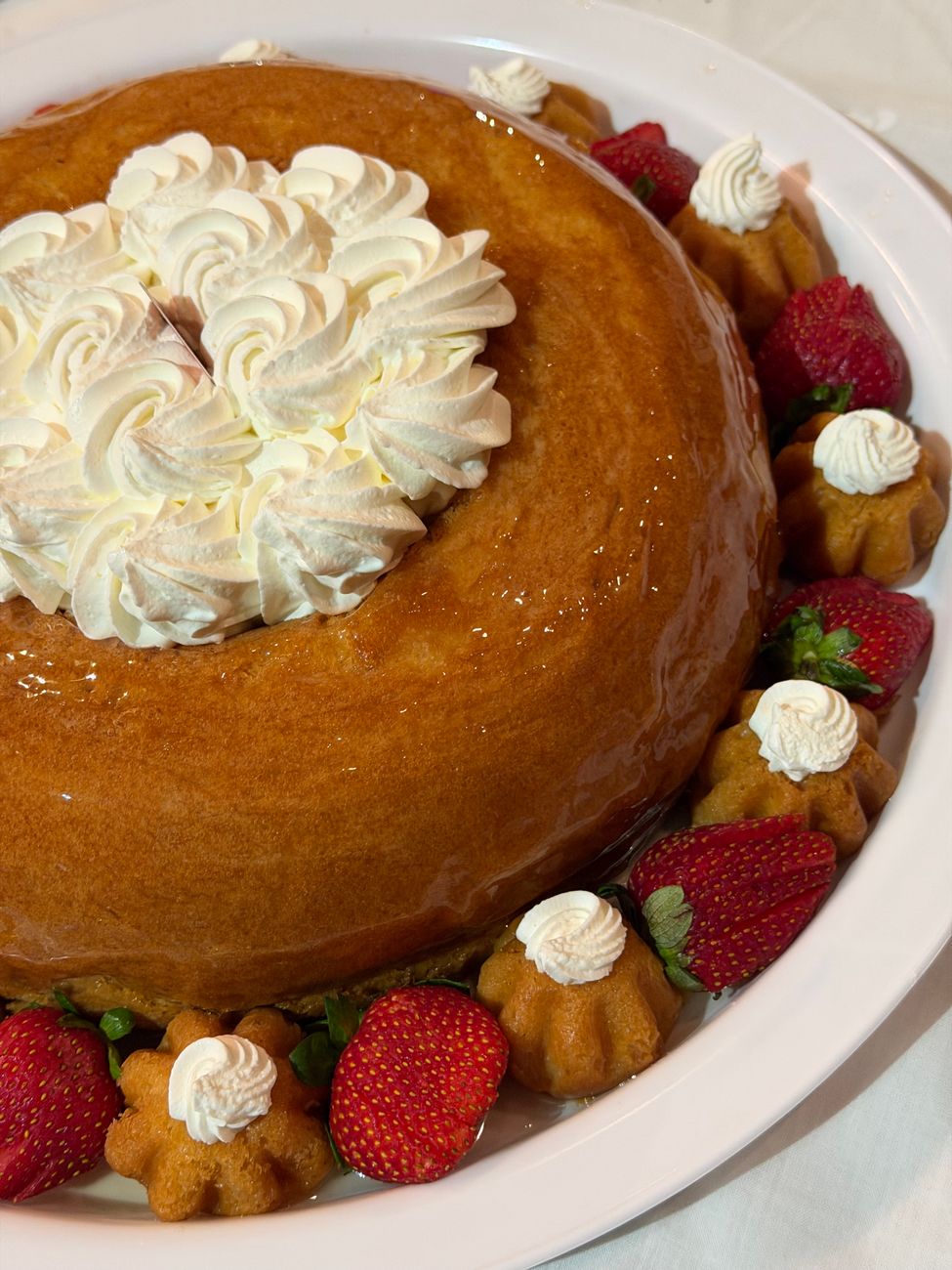
Baba au Rum: Can be made full-size like a Bundt cake or mini individual size. These cakes are saturated with rum syrup and sometimes filled with whipped cream, preferably crème Chantilly or pastry cream. The Baba has an interesting history dating back to the 18th century, when a pastry chef Nicolas Stohrer to an exiled Polish king had to revive a dried-up cake by soaking it in rum.
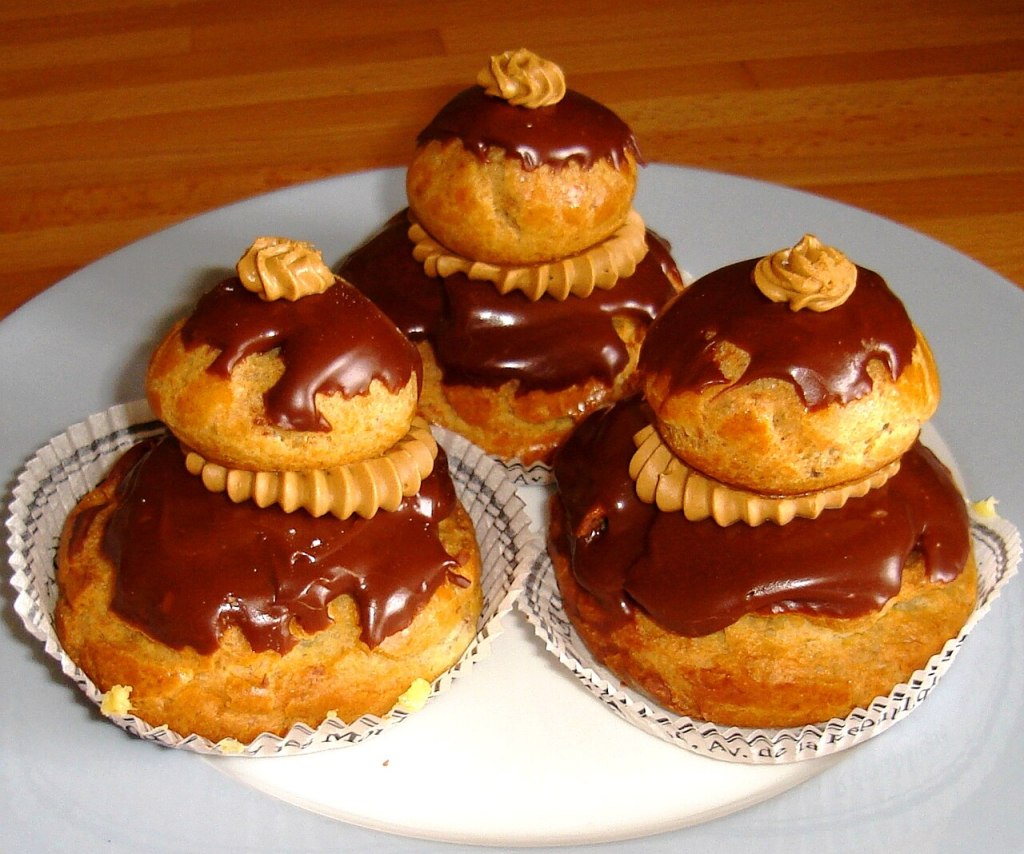
Religieuse: The “nun” is made of two choux filled with pastry cream and connected with ganache or mocha cream, drizzled with chocolate icing to look like a nun in her habit created in the 19th Century.
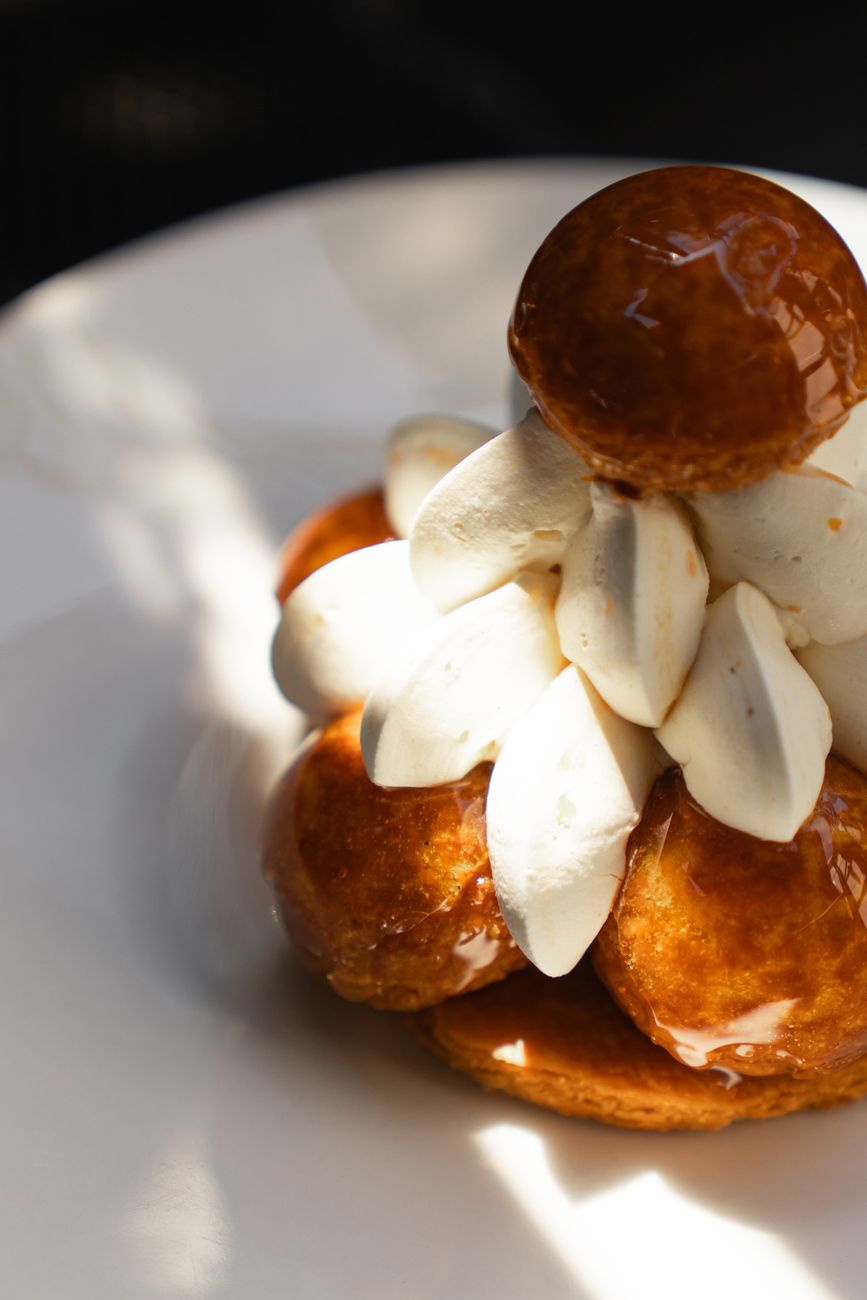
Gâteau Saint-Honoré: Classic Parisian showstopper named after the patron saint of bakers, featuring a puff pastry base ringed with small caramel-dipped cream puffs called profiteroles or choux à la crème filled with chiboust cream, aka crème pâtissière or whipped cream. It was created by a young chef, Auguste Julien, in the 1840s at the patisserie Chiboust on Rue Saint-Honoré in Paris.
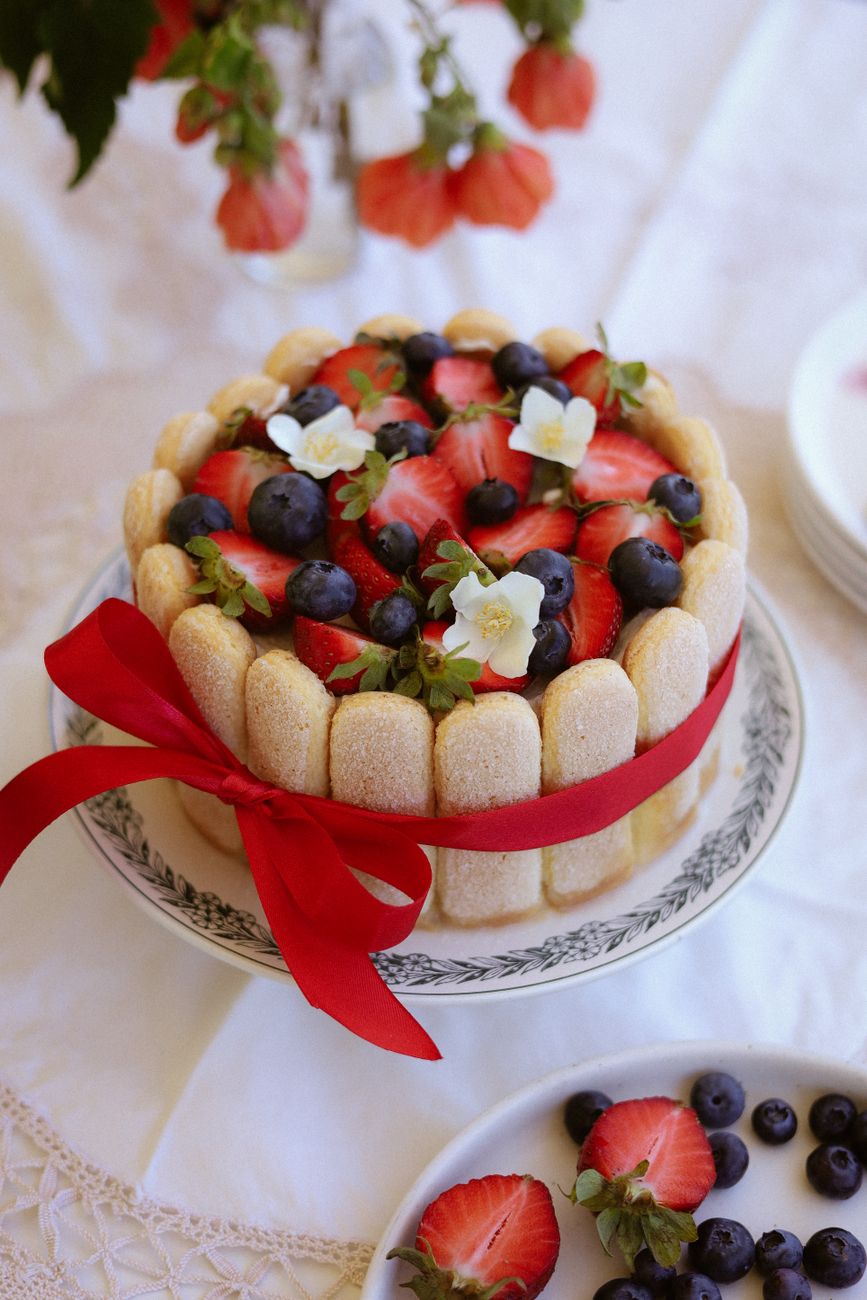
Charlotte aux fraises or Charlotte à la Russe: Elegant yet simple non-bake cake held by boudoirs or ladyfingers and filled with Bavarian cream. Created by the French chef Antonin Carême in the early 19th century.
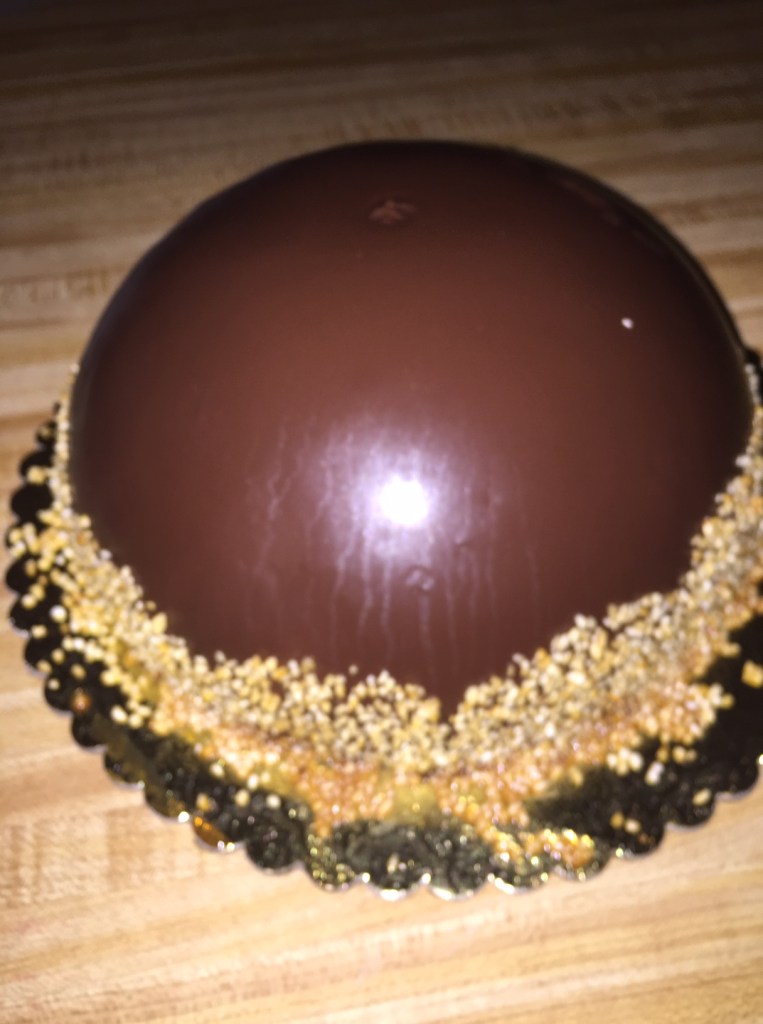
La bombe au chocolat: Layers of airy chocolate genoise cake, velvety chocolate mousse, and glossy chocolate sauce reminiscent of bombe glacee, a dome-shaped molded dessert.
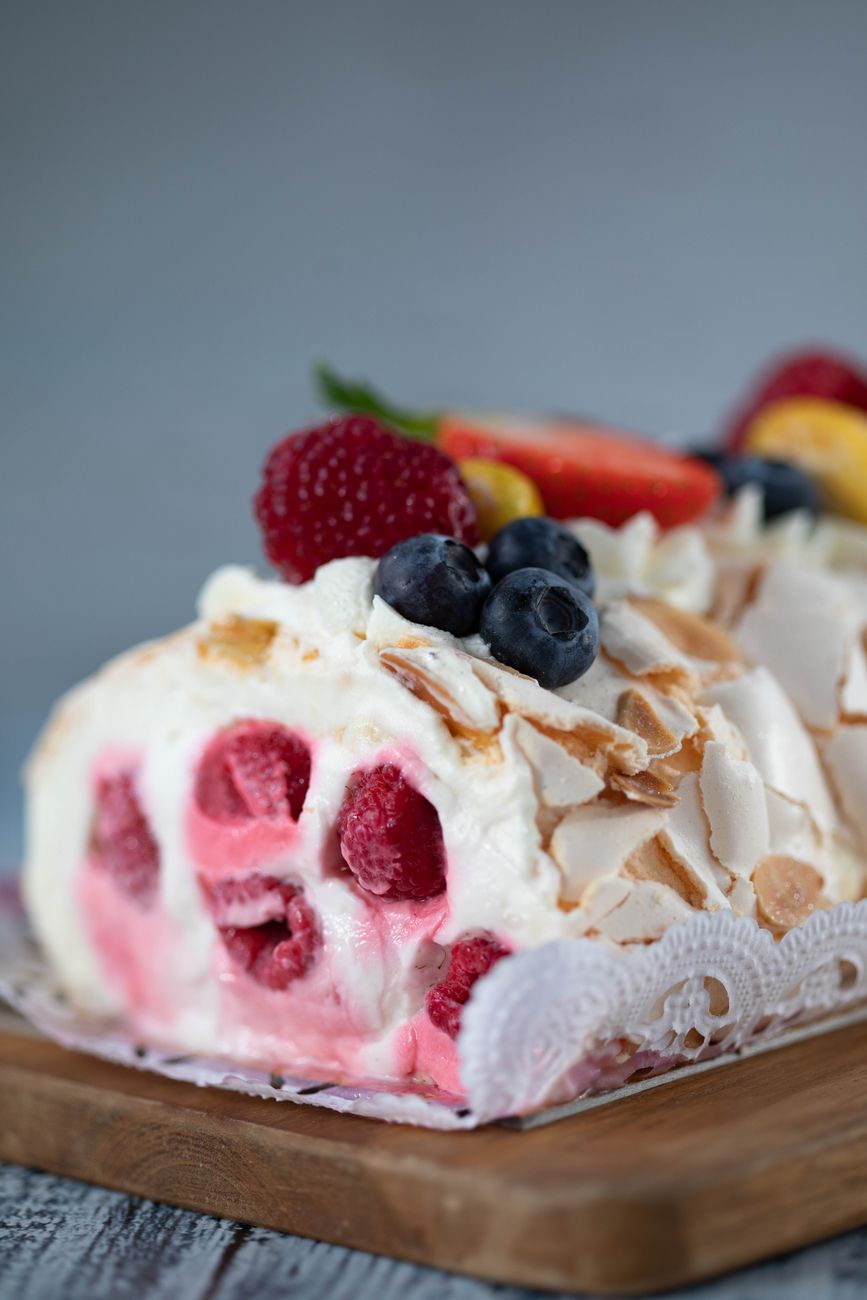
Vacherin Glacé: A classic ice-cream cake made with crisp meringue filled with berry ice cream and chantilly cream. It comes from a 19th-century cake called vacherin from the word vache meaning cow.

Mille- feuille or Napoleon: Layers, 1000 layers of crisp puff pastry filled with pastry cream and topped with a sugar chocolate frosting dates back the 17th-century.
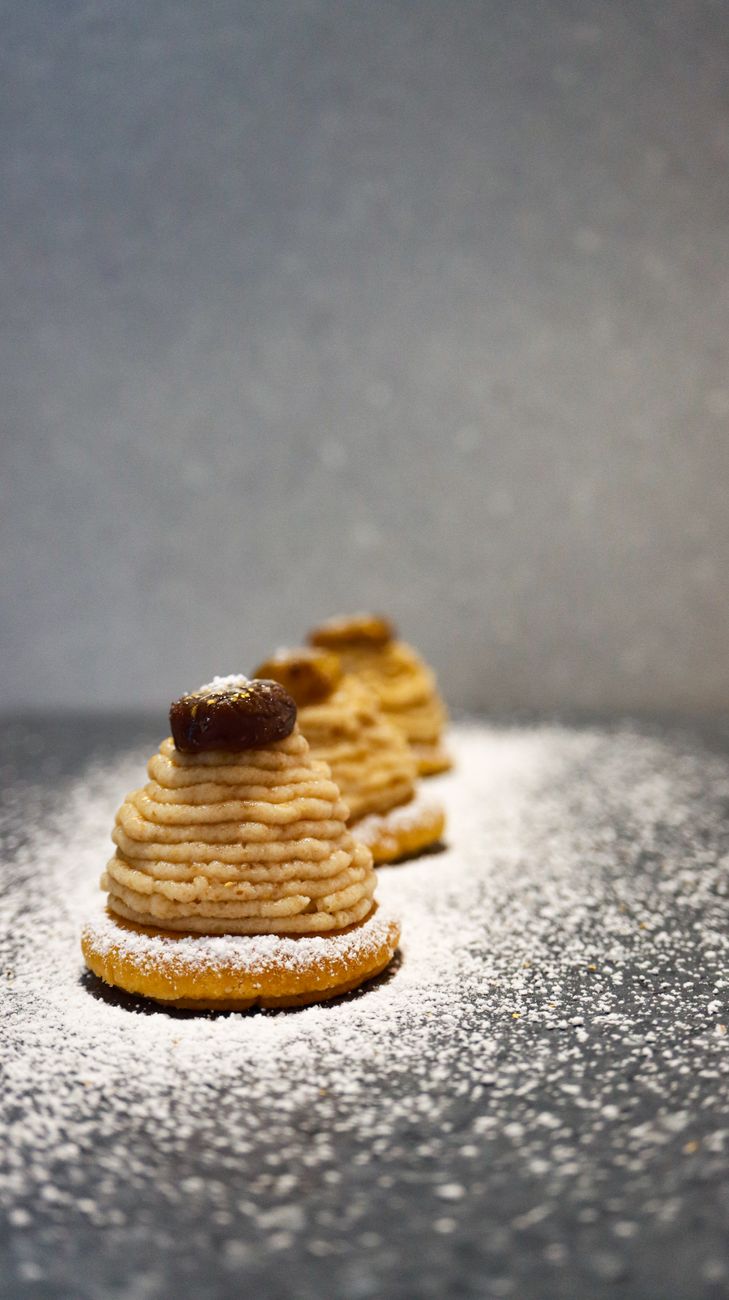
Mont Blanc: Named after the famous Alps peaks, this cake is made with purée de marrons or chestnut cream shaped as spaghetti strands and topped with whipped cream dates back to the 19th century.
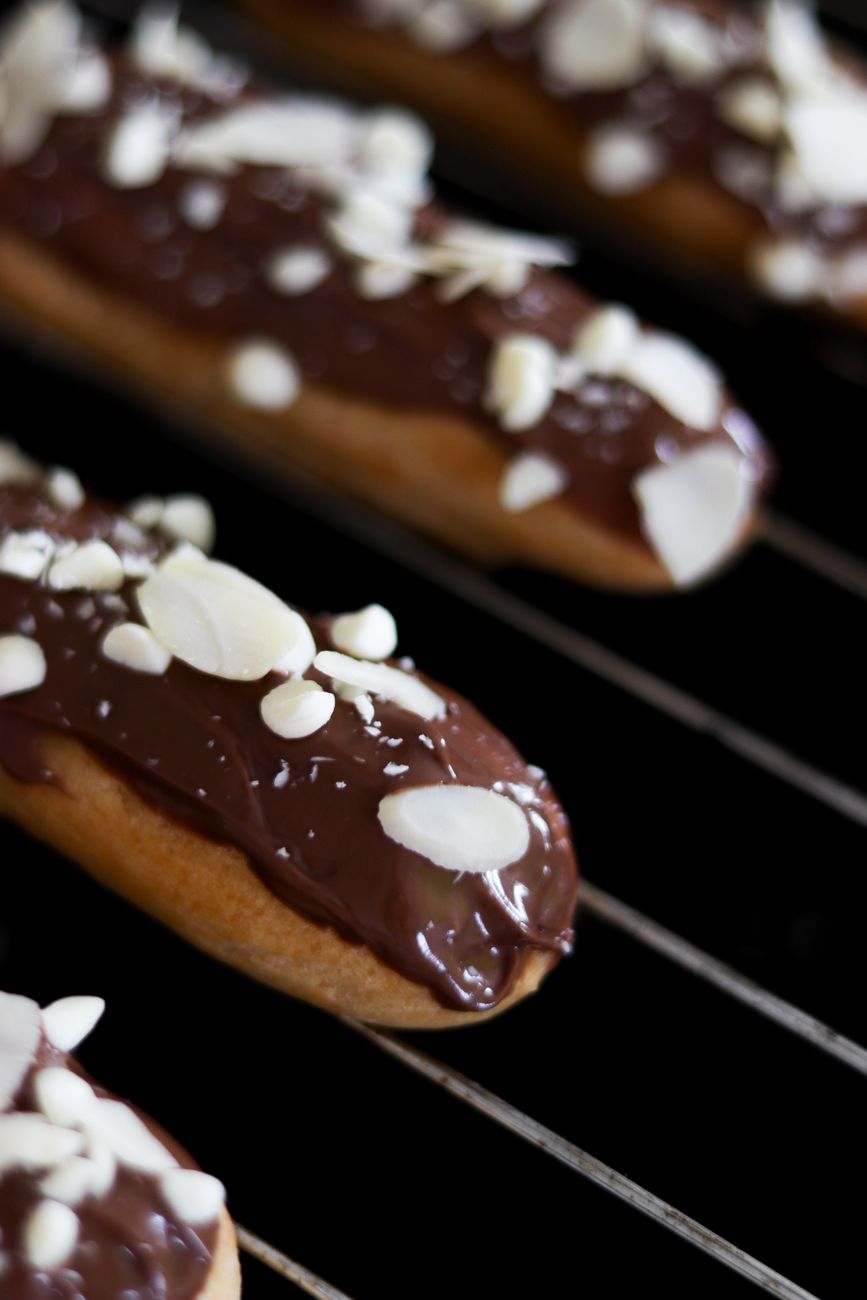
L’eclair: The infamous national chocolate éclair is made from hollow pâte à choux and filled with cream or custard and dressed with a delicious glossy icing. The possibilities are limitless, and famous pastry chefs have reinvented the eclair with decadent decorations and exotic fillings. Created under another name, pain à la Duchesse in the 19th century in Lyon and now known as éclair, meaning “strike of lightning”.
Most Photos via Pexels
For the Holidays and special occasions, check out these
Traditional French Cakes
As we say in France, “Bonne dégustation !”
French A L.A Carte Blog earns a small affiliate fee with any of your purchases on Amazon
Thank you for supporting the French ‘Art de Vivre’ community!
Merci!


Leave a Reply